Beyond Followers: The New Currency of Influence
Creator marketing a decade ago was, bluntly, a numbers game. Success was almost entirely dictated by follower count, and the space was dominated by a relatively small group of high-profile creators with massive audiences. Brands chased reach above all else, often overlooking the quality of engagement or the relevance of the audience itself.

Fast forward to today, and the landscape has fundamentally shifted. The rise of micro and nano creators has democratized the industry, proving that influence is no longer about scale alone but about connection. Engagement rates, community trust, and niche authority now carry more weight than sheer follower numbers. As a result, brands are increasingly prioritising authenticity and relevance, recognising that smaller, highly engaged audiences often deliver stronger outcomes than broad but passive ones.
The Rise of Strategy in Creator Partnerships
At the same time, the way brands and PR agencies approach creator partnerships has evolved dramatically. What was once a straightforward transaction, pay for a post, publish, and move on, has become a far more sophisticated, data-driven process.
Today, campaigns are built on deep research and strategic planning. From audience insights and creator vetting to media kits, performance benchmarks, and content forecasting, every decision is informed by analytics. Execution has also become more nuanced, with tactics like paid boosting, staggered content rollouts, and multi-platform strategies now standard practice. Post-campaign, brands expect detailed performance wrap-ups, tracking everything from reach and engagement to conversions and sentiment. Creator marketing has matured into a fully-fledged media channel, with accountability and optimisation at its core.
Letting Creators Create
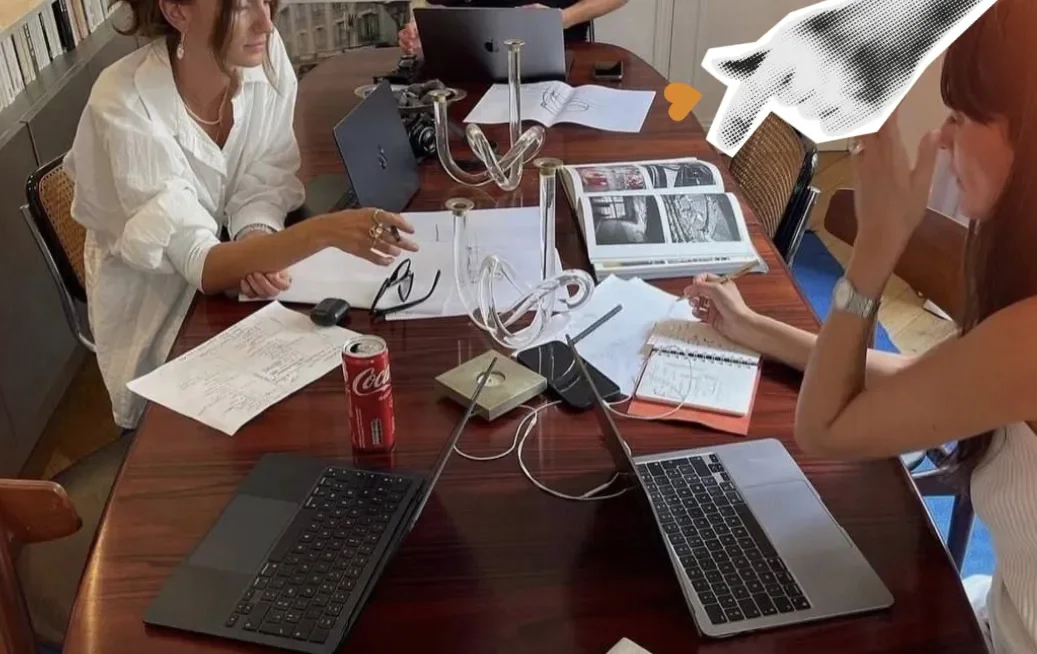
Perhaps one of the most meaningful shifts, however, has been in the relationship between brands and creators themselves. In the past, campaigns were often constrained by rigid, overly prescriptive briefs, documents that dictated exactly what could be said, shown, and even how it should be delivered. This not only stifled creativity but often resulted in content that felt forced and inauthentic. Today, there’s a growing recognition that creators are experts in their own voice and audience. They are now brought into the process earlier, often at the briefing stage, and treated as creative partners rather than just distribution channels. This more collaborative, respectful approach allows for content that aligns with both brand objectives and the creator’s style, ultimately leading to work that resonates more deeply with audiences and performs more effectively.