Every year, brands descend on festivals like Coachella with bigger builds, bigger budgets, and bigger expectations. But the best festival activations aren’t just physical spaces, they’re cultural moments. We’re breaking down what makes a great Festival Brand Activation from what the best activations get right to the key things to consider when setting up at a festival

They Feel Native to the Environment
The fastest way to fail at a festival is to look like an ad, At Coachella, people are surrounded by carefully curated aesthetics, music, fashion, art, and self-expression all blending into one visual language. Anything that feels overly branded or out of place is instantly rejected by festival goers. he best activations understand this and design within the culture, not on top of it.
One way to do this is collaborating with artists, creators, and designers who already shape festival culture isn’t just a creative choice, it’s a shortcut to relevance. These individuals act as cultural gatekeepers, influencing how people dress, what they listen to, and what they share. When brands co-create with them, they’re not just building an experience, they’re embedding themselves within a culture that already has momentum.
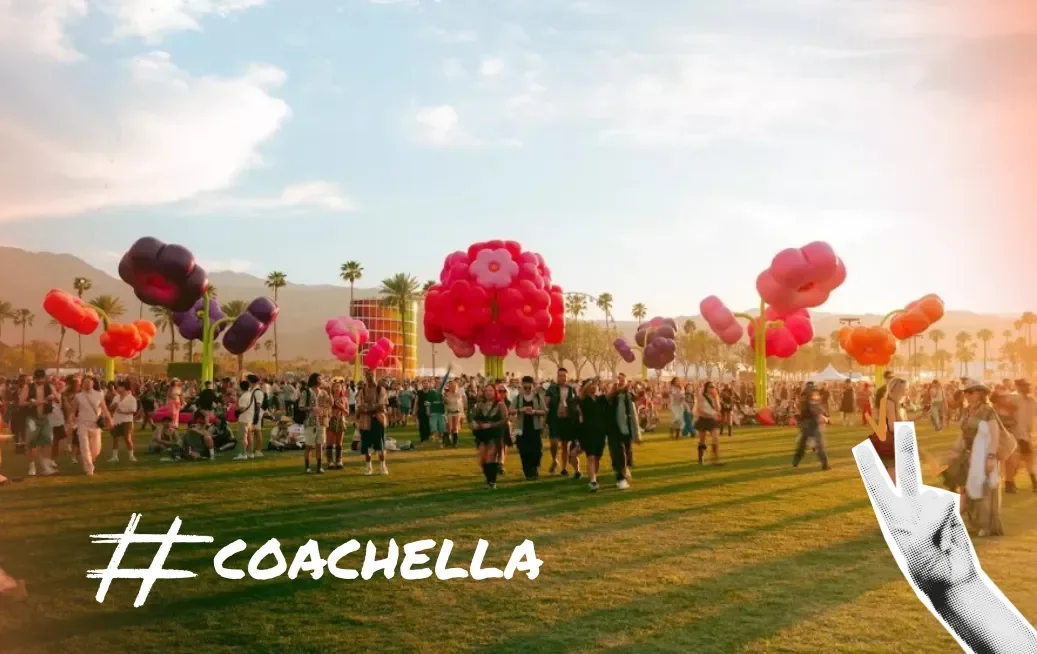
They’re Designed for Content, Not Just Footfall
For a long time, success at festivals was measured by how many people walked through an activation. That’s no longer enough. Today, the real value isn’t in attendance, it’s in amplification. The best activations are designed with content in mind from the very beginning, not as an afterthought, Because inevitably one great piece of content can reach millions. Footfall alone cannot.
Deliver Real Value over Spectacle
Utility is what cuts through. The activations that people actually remember and return to are the ones that give them something they need, not just something to look at. At Coachella, that can be as simple as shade from the heat, a place to sit and reset, or a reliable phone charging station when your battery is on 3% and the night is just getting started. This kind of value creates a subtle but powerful shift in perception: the brand stops feeling like an interruption and starts feeling like a contributor to the festival experience. And that matters, because when people feel like a brand has improved their day, they’re far more likely to return to that activation the next Festival year.
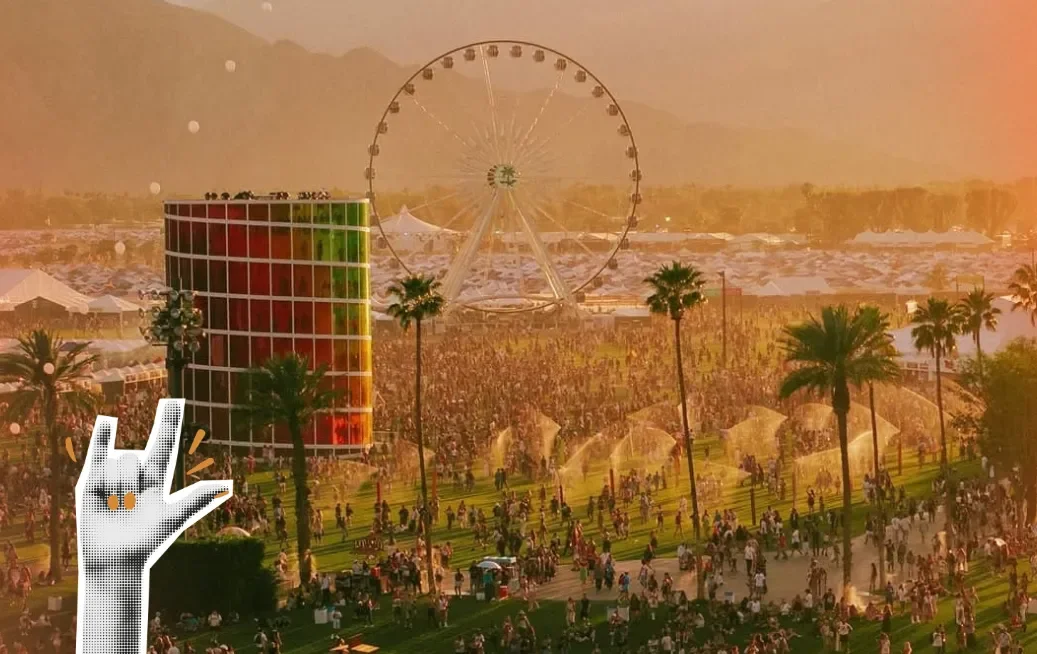
The difference between a forgettable pop-up and a true cultural moment isn’t budget, scale, or even creativity in isolation. It’s understanding that people aren’t there for brands, they’re there for experiences, identity, and connection. The activations that win are the ones that respect that!